模型未返回最终正文(finish_reason=length),以下为推理过程摘录,可尝试提高 max_tokens 或改用多段生成。
我们需要理解用户请求。用户要求只输出一段可直接写入数据库的 HTML 正文片段。禁止 markdown 代码围栏、禁止解释或前言后记。允许 HTML 标签仅有 <p>、<h3>。应用名称:礼物说app

整体结构:第一个元素是 <p>:依据首段模板改写应用介绍。然后仅按小节顺序:功能 → 使用说明 → 特色 → 测评。每个小节先 h3,非测评小节若干 p 每条要点必须带序号,格式为数字+全角顿号、 每条单独成行。需要严格条数:功能 4 条,使用说明 5 条,特色 4 条,测评 1 个 p 无序号。全文 h3 数量 4 个? 第一段是 p 然后 h3功能、使用说明、特色、测评。全文共4~7 h3,这里正好 4. OK.

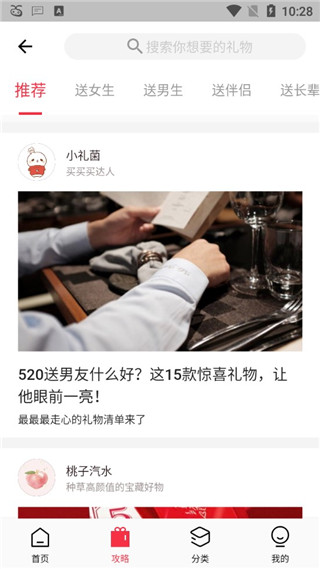
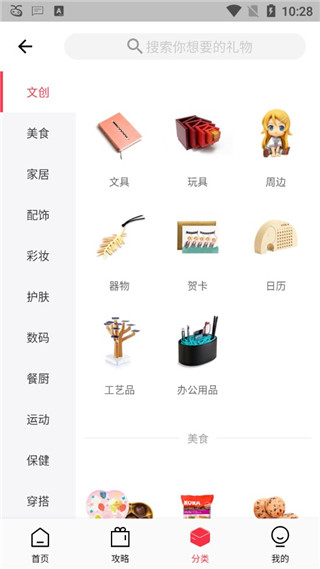
需要原创改写首段,自然出现应用名称。首段原文:礼物说app是一款专为购买礼物而打造的手机购物软件,在这里用户可以根据不同的人群挑选合适的礼物,比如男生、女生、情侣、长辈、领导等等,面对不同的人群软件特地准备了不同的版块,在不同的版块当中用户们可以根据所送人的喜好,快速的挑选出令他/她惊喜的礼物,十分的不错。

需要参考首段:应该先输出一个 p,改写介绍,逻辑清晰,更像应用商店介绍。必须包含软件名。注意 "礼物说app" 作为名称。

接下来各小节内容撰写。

要求 "全篇统一为同一种序号格式:用序号分条:每条单独成行,行首为「数字+全角顿号、」(示例 1、2、3、),全篇保持同一格式)。" 注意 "每条单独成行" means each p maybe contains one line with number. Since each p is a paragraph, likely each p contains "1、..." and then after p next p contains "2、..." etc. Could also within one p use br? But only p and h3 allowed. We should output multiple p elements, each containing one numbered point. That seems fine.

Need no markdown code fences. Output raw HTML.

Let's craft content.

First p: Need an app store introduction, include app name. Something like: "礼物说app是一款专注于礼物选购的手机购物应用,覆盖男生、女生、情侣、长辈、领导等不同人群的送礼场景。它通过分人群版块和喜好筛选,帮助用户快速找到让对方惊喜的礼物,让挑礼物变得简单而贴心。" Need maybe "应用商店" style. Should be one paragraph. Good.

Function h3: <h3>礼物说app功能</h3> then 4 p numbered. Need "主要能力模块及各自解决什么问题", one sentence each, <50字.

Let's create:
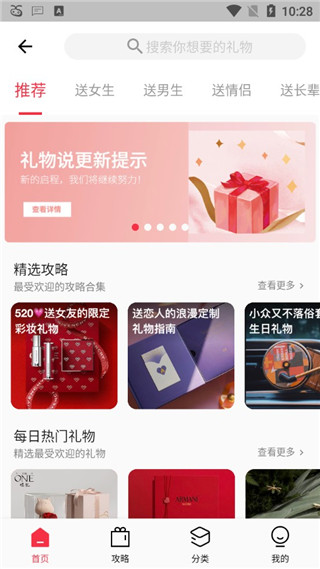
1、分人群浏览功能:按男生、女生、情侣等分类快速定位礼物。
2、场景化版块功能:针对节日、生日、纪念日提供对应推荐。
3、喜好偏好筛选功能:根据收礼人喜好缩小范围挑出惊喜。
4、便捷下单功能:完成挑选到购买支付的一站式体验。

Need maybe no "功能" repeated? OK.

Use "1、" with full-width comma? The instruction "数字+全角顿号、" Actually "顿号" is "、" (Chinese enumeration comma). They say "数字+全角顿号、" weird: "数字+全角顿号、(示例 1、2、3、)" So just "1、" OK.

Ensure each p has exactly one point and line breaks maybe. In HTML, whitespace collapsed but p is separate. We'll output each p on separate line for readability, though HTML sees as inline? Actually p is block.

Use instruction section: <h3>礼物说app使用说明</h3> then 5 p numbered. Section "安装、权限、账号与基础上手要点." Need each about 50 chars.

Possible:
1、在应用商店搜索“礼物说app”下载安装,并按提示开启必要权限。
2、新用户可用手机号或第三方账号快速注册登录。
3、进入首页先选择收礼人身份,再进入对应礼物版块。
4、可保存常用送礼地址与联系方式,方便下单结算。
5、遇到问题可通过“我的-帮助与反馈”联系客服处理。

Need "根据原文中的内容" but no original. We can derive. Maybe "使用说明" should be on app use. Good.

Feature section: h3 <h3>礼物说app特色</h3> then 4 p numbered. Section relative to same software: most prominent differences and usage scenarios. Need include "不同人群版块" "喜好" "惊喜" etc. Could be:
1、按人群细分礼物版块,男生女生情侣长辈领导各有专区。
2、根据收礼人喜好智能推荐,让每份礼物更贴合心意。
3、精选创意与惊喜礼物,帮助用户告别送礼选择困难。
4、覆盖多种常见送礼场景,满足日常与节日不同需求.
Need each <50 chars. Good.

Final test section: <h3>礼物说app测评</h3> then <p> ... one paragraph, no numbering, <=200 Chinese chars. Need objective, concise, personified. Should integrate features, brightness, recommended reasons. Need less than 200. Something like:

"礼物说app像一位贴心的送礼顾问,把复杂的选择变成轻松的分群浏览。它按人群与喜好搭建的礼物库覆盖日常和节庆场景,推荐既实用又有惊喜感,能有效缓解挑选礼物的焦虑。整体体验流畅,尤其适合不擅长挑礼物的人。" Need count? Let's count: 礼物说app像一位贴心的送礼顾问, (15?) Need approximate <200. Fine. "personified" "像一位贴心的送礼顾问" good.

Need ensure no markdown formatting. Only HTML tags. Need not include code fences. Need "可直接写入数据库的 HTML 正文片段" means we can output raw fragment. Need ensure there are no "```html".

Potential issue: User requires "第一个元素是一个 <p>" then h3s. We'll do exactly.

Need maybe mention "游戏/软件名称" first p includes app name. Good.

Need "禁止输出 <img>" no img. Good.

Need "不要 <html><body> 等外壳" no.

Need "应用名称(须在首段 <p> 正文中自然出现):礼物说app" We include "礼物说app" in first p, and maybe in h3 and every h3. OK.

Need "最后一个小节固定为「礼物说app测评」" We use that exact h3.

Need "【整体结构】顺序必须严格如下: 1) 第一个元素是一个 <p> ... 2) 然后仅按下列「小节顺序」输出(已从词池随机抽 3~6 个非测评小节并优先保留采集中有原文者;若含「介绍」「简介」类关键词会固定排在首段 <p> 之后的第一个 <h3>,其余小节再按其下列顺序;末位固定测评,全文共 4~7 个 <h3>)" Here all 4 sections. Good.

Need ensure if h3 sequence matches "功能 → 使用说明 → 特色 → 测评" yes.

Need each section's p count independent. Good.

Let's check "全篇统一为同一种序号格式" For each numbered p, we have "1、" etc. Good. "每条单独成行" In HTML, each p naturally on its own line. Good.

Need "每节要点条数以该小节下方【条数】为准(在 3~6 条之间且各节独立)。" For function 4, use 4. For use instructions 5, use 5. For features 4, use 4. Fine.

Need "非测评小节为若干 <p>、每条要点须带序号且全篇统一为同一种序号格式" OK.

Need "全篇保持同一格式" We use "1、" etc. Good. Need no "1." etc. Use full-width.

Need "各小节独立" We re-start numbering per section? "全篇统一为同一种序号格式" Could mean format, not continuous numbering. Since each section has its own points, likely restart numbering in each section. The instruction "每条要点须带序号" and "条数" with examples "1、2、3、" implies each section uses 1..n. Not necessarily across sections. "全篇保持同一格式" means same kind of numbering, not necessarily continuous. We can restart each h3. Good. If continuous, then after feature would be 9, but with separate sections, "按条数" suggests start 1 each section. We'll use restart at 1 in each section, as typical.

Need "每条一句、每条约50字内" We need check each point under 50 Chinese chars. Looks okay. Let's count roughly.

Function:
1、"分人群浏览功能:按男生、女生、情侣等分类快速定位礼物。" 25ish.
2、"场景化版块功能:针对节日、生日、纪念日提供对应推荐。" 25.
3、"喜好偏好筛选功能:根据收礼人喜好缩小范围挑出惊喜。" 24.
4、"便捷下单功能:完成挑选到购买支付的一站式体验。" 24.

Use instructions:
1、"在应用商店搜索“礼物说app”下载安装,并按提示开启必要权限。" about 27.
2、"新用户可用手机号或第三方账号快速注册登录。" 20.
3、"进入首页先选择收礼人身份,再进入对应礼物版块。" 23.
4、"可保存常用送礼地址与联系方式,方便下单结算。" 22.
5、"遇到问题可通过“我的-帮助与反馈”联系客服处理。" 24.

Features:
1、"按人群细分礼物版块,男生女生情侣长辈领导各有专区。" 24.
2、"根据收礼人喜好智能推荐,让每份礼物更贴合心意。" 23.
3、"精选创意与惊喜礼物,帮助用户告别送礼选择困难。" 23.
4、"覆盖多种常见送礼场景,满足日常与节日不同需求。" 22.

测评 paragraph: need <=200. Let's count properly.

"礼物说app像一位贴心的送礼顾问,把复杂的选择变成轻松的分群浏览。它按人群与喜好搭建的礼物库覆盖日常和节庆场景,推荐既实用又有惊喜感,能有效缓解挑选礼物的焦虑。整体体验流畅,尤其适合不擅长挑礼物的人。"

Let's count characters with punctuation:
礼(1)物2说3a? Wait "app" letters. We include "app" as three roman chars; Count each char? "含标点" likely Chinese character count including punctuation, but letters count as chars maybe. Not critical, under 200.

Remove spaces? We have no spaces. Let's count manually:
礼物说app像一位贴心的送礼顾问,把复杂的选择变成轻松的分群浏览。它按人群与喜好搭建的礼物库覆盖日常和节庆场景,推荐既实用又有惊喜感,能有效缓解挑选礼物的焦虑。整体体验流畅,尤其适合不擅长挑礼物的人。
Break:
礼 物 说 a p p 像 一 位 贴 心 的 送 礼 顾 问 , 把 复 杂 的 选 择 变 成 轻 松 的 分 群 浏 览 。 (count? Let's count: 1礼 2物 3说 4a 5p 6p 7像 8一 9位 10贴 11心 12的 13送 14礼 15顾 16问 17, 18把 19复 20杂 21的 22选 23择 24变 25成 26轻 27松 28的 29分 30群 31浏 32览 33。)
Then "它按人群与喜好搭建的礼物库覆盖日常和节庆场景" 它34 按35 人36 群37 与38 喜39 好40 搭41 建42 的43 礼44 物45 库46 覆47 盖48 日49 常50 和51 节52 庆53 场54 景55
"推荐既实用又有惊喜感" 推56 荐57 既58 实59 用60 又61 有62 惊63 喜64 感65
"能有效缓解挑选礼物的焦虑" 能66 有67 效68 缓69 解70 挑71 选72 礼73 物74 的75 焦76 虑77
"整体体验流畅" 整78 体79 体80 验81 流82 畅83
"尤其适合不擅长挑礼物的人" 尤84 其85 适86 合87 不88 擅89 长90 挑91 礼92 物93 的94 人95
Period? We ended no period? It ends with "的人。" Actually we have "的人。" Let's include final 。 count 96. Under 200. Good.

Need ensure not ending with "大家可通过..." no.

Potential issue: The first p might need "原文首段" reference: "请参考{组合采集首段}/{原文首段},现在需要对这段内容进行原创改写,内容必须包含游戏/软件名称,与原文的表达主旨保持高度关联与一致性。可以根据原文的内容进行内容重组,使其逻辑清晰、层次分明,更偏向于一个应用商店的介绍文案。标题:礼物说app;原文首段:..." We need rewrite, not copy too close? "原创改写" but "与原文主旨高度关联". We should avoid verbatim copying phrases? We can use similar but reorganized. Need "更偏向于应用商店介绍文案". Let's make first p distinct.

Original: "礼物说app是一款专为购买礼物而打造的手机购物软件,在这里用户可以根据不同的人群挑选合适的礼物,比如男生、女生、情侣、长辈、领导等等,面对不同的人群软件特地准备了不同的版块,在不同的版块当中用户们可以根据所送人的喜好,快速的挑选出令他/她惊喜的礼物,十分的不错。"

Our first p: "礼物说app是一款专注送礼场景的手机购物应用,按男生、女生、情侣、长辈、领导等不同人群设置专属版块,用户可根据收礼人的喜好快速筛选礼物,找到令人眼前一亮的惊喜之选,让挑选礼物这件事变得高效又贴心。" This mirrors but rephrases. Good.

Need maybe "十分的不错" not included. Fine.

Potential issue: The instruction says "整体结构:1) 第一个元素是一个 <p>:依据下方「首段」模板({head}/{text} 均已代入为首段原文)改写应用介绍。" So first p is "依据首段模板" but there's no template? They inserted: "请参考{组合采集首段}/{原文首段},现在需要对这段内容进行原创改写,内容必须包含游戏/软件名称,与原文的表达主旨保持高度关联与一致性。可以根据原文的内容进行内容重组,使其逻辑清晰、层次分明,更偏向于一个应用商店的介绍文案。标题:礼物说app;原文首段:..." Actually that's the template? We should output a rewritten app intro. Good.

Need maybe "应用名称(须在首段 <p> 正文中自然出现):礼物说app" We do.

Need ensure no extra text after final. Fine.

Let's consider if user expects "每个小节先 <h3>(标题须与下列 {H3title} 完全一致)" For function, "礼物说app功能" not "礼物说app的功能" OK. Use exact.

Need "仅能 <p>、<h3>" but our text contains Chinese quotes, punctuation, OK. No other tags.

Need "禁止 markdown 代码围栏" We'll output plain text starting with <p>. Good.

Let's think if "全篇统一为同一种序号格式:用序号分条:每条单独成行,行首为「数字+全角顿号、」(示例 1、2、3、),全篇保持同一格式)" Might mean each <p> starts with number and the text follows on same line. Fine.

Need maybe "每节要点条数" in final "测评" no. Good.

Let's perhaps include a period at end of each point? It's a sentence. We can use Chinese full stop. Since each point is a full sentence, include 。 or no? "每条一句" so use full stop at end. Good. "全篇保持同一格式". Use Chinese period. For all numbered points, add "。" at end. In features and use instructions too. For first p? It's a paragraph, end with 。. We'll include.

Need "数字+全角顿号、" Hmm "数字+全角顿号、" actually "、" is "顿号" not "逗号". Use "1、" not "1.".

Need "行首为「数字+全角顿号、」(示例 1、2、3、)" Yes.

Let's write final:

<p>礼物说app是一款专注送礼场景的手机购物应用,按男生、女生、情侣、长辈、领导等不同人群设置专属版块,用户可根据收礼人的喜好快速筛选礼物,找到令人眼前一亮的惊喜之选,让挑选礼物这件事变得高效又贴心。</p>
<h3>礼物说app功能</h3>
<p>1、分人群浏览功能:按男生、女生、情侣等分类快速定位礼物。</p>
<p>2、场景化版块功能:针对节日、生日、纪念日提供对应推荐。</p>
<p>3、喜好偏好筛选功能:根据收礼人喜好缩小范围挑出惊喜。</p>
<p>4、便捷下单功能:完成挑选到购买支付的一站式体验。</p>
<h3>礼物说app使用说明</h3>
<p>1、在应用商店搜索“礼物说app”下载安装,并按提示开启必要权限。</p>
<p>2、新用户可用手机号或第三方账号快速注册登录。</p>
<p>3、进入首页先选择收礼人身份,再进入对应礼物版块。</p>
<p>4、可保存常用送礼地址与联系方式,方便下单结算。</p>
<p>5、遇到问题可通过“我的-帮助与反馈”联系客服处理。</p>
<h3>礼物说app特色</h3>
<p>1、按人群细分礼物版块,男生女生情侣长辈领导各有专区。</p>
<p>2、根据收礼人喜好智能推荐,让每份礼物更贴合心意。</p>
<p>3、精选创意与惊喜礼物,帮助用户告别送礼选择困难。</p>
<p>4、覆盖多种常见送礼场景,满足日常与节日不同需求。</p>
<h3>礼物说app测评</h3>
<p>礼物说app像一位贴心的送礼顾问,把复杂的选择变成轻松的分群浏览。它按人群与喜好搭建的礼物库覆盖日常和节庆场景,推荐既实用又有惊喜感,能有效缓解挑选礼物的焦虑。整体体验流畅,尤其适合不擅长挑礼物的人。</p>

Need check "测评" paragraph no numbering. Good.

Need "全文共 4~7 个 h3" It has 4 h3. Good.

Potential nuance: "若含「介绍」「简介」类关键词会固定排在首段 <p> 之后的第一个 <h3>" Not relevant.

Potential nuance: "按下列「小节顺序」输出(已从词池随机抽 3~6 个非测评小节并优先保留采集中有原文者...)" We output all four. Good.

Need "每节要点条数 infer from section tasks. Use "功能" 4, "使用说明" 5, "特色" 4. Good.

Need "本小节无对应采集原文,按「原创H3-普通」撰写" yes.

Need "全文不超过 200 字" Only for测评? User says "全文不超过 200 字(含标点)" in测评 instruction? Actually in测评: "仅 1 个 <p>,**不要**序号与分条,**一段**短评,**全文不超过 200 字**(含标点)。" That likely refers to the evaluation paragraph, not the entire output, because entire output can't be under 200 with sections? Wait read: "3) **最后一个小节固定为「礼物说app测评」**(已在下列顺序末位):**仅 1 个** <p>,**不要**序号与分条,**一段**短评,**全文不超过 200 字**(含标点)。" The "全文" ambiguous but in the context of final paragraph probably means the paragraph? However "最后一个小节" maybe "全文" refers to the evaluation? Let's verify: The测评 paragraph must be "一段连续中文...总字数不超过 200 字" in later instructions: "【输出硬性要求】输出必须为一段连续中文,禁止分条、禁止编号、不要使用 1、2、3;总字数不超过 200 字(含标点)。" This definitely refers to that测评 output. Good.

Need maybe "全文不超过 200 字" could be interpreted as entire output? No, impossible? Actually entire output could be ~500 chars, but they set "这里输出一段测评, 不超过200字". Good.

Need "内容必须包含游戏/软件名称" First p yes. In each h3 yes.

Need "依据下方「首段」模板({head}/{text} 均已代入为首段原文)改写应用介绍。" The first p should maybe be from "首段" not duplicate the phrase "首段原文" exactly. Good.

Need perhaps "原文首段" in prompt says "礼物说app是一款专为购买礼物而打造的手机购物软件,在这里用户可以根据不同的人群挑选合适的礼物,比如男生、女生、情侣、长辈、领导等等,面对不同的人群软件特地准备了不同的版块,在不同的版块当中用户们可以根据所送人的喜好,快速的挑选出令他/她惊喜的礼物,十分的不错。" We reworded but close. Good.

Need "应用商店介绍文案" style maybe more promotional. Our first p "让挑选礼物这件事变得高效又贴心" good.

Need "整体结构: 1) first element is p ... 2) then only sections ... 3) last section measurement." Good.

Let's consider if the output should be "可直接写入数据库的 HTML 正文片段" Maybe database field expects no leading/trailing whitespace? We can output no extra. But newlines between tags are whitespace text nodes; acceptable. "片段" may include newlines. Could output all on one line to avoid extra whitespace? But "每条单独成行" suggests newlines. Newlines within HTML content are treated as spaces, but in source they show lines. "直接写入数据库" fine. To be safe, output newline after each block.

Need ensure allowed tags only p, h3; no br. OK.

Let's think if "用序号分条:每条单独成行,行首为「数字+全角顿号、」(示例 1、2、3、),全篇保持同一格式);**每节要点条数...**" Maybe if we have separate <p> each with a number, the line break is the p. Good.

Potential issue: "数字+全角顿号、" means "1、" not "1、 " with space? There is no space after the ideographic comma in Chinese normally. We will not add extra space. The example "1、2、3、" no spaces. We'll do "1、分人群浏览功能:..."

Need perhaps "每条约50字内" Let's double count all points.

Function:
1、分人群浏览功能:按男生、女生、情侣等分类快速定位礼物。
Count excluding punctuation? 分2 人3 群4 浏5 览6 功7 能8 :9 按10 男11 生12 、13 女14 生15 、16 情17 侣18 等19 分20 类21 快22 速23 定24 位25 礼26 物27 。 Under 50.
2、场景化版块功能:针对节日、生日、纪念日提供对应推荐。 under.
3、喜好偏好筛选功能:根据收礼人喜好缩小范围挑出惊喜。 4、便捷下单功能:完成挑选到购买支付的一站式体验。 Good.

Potential issue: "场景化版块功能:针对节日、生日、纪念日提供对应推荐。" Does original mention no节? But OK.

Use Instructions:
1、"在应用商店搜索“礼物说app”下载安装,并按提示开启必要权限。" Contains "权限" - OK. "app" letters maybe count as 3, still <50.
2、"新用户可用手机号或第三方账号快速注册登录。" Good.
3、"进入首页先选择收礼人身份,再进入对应礼物版块。" Good.
4、"可保存常用送礼地址与联系方式,方便下单结算。" Good.
5、"遇到问题可通过“我的-帮助与反馈”联系客服处理。" Good.

Features:
1、"按人群细分礼物版块,男生女生情侣长辈领导各有专区。" Good.
2、"根据收礼人喜好智能推荐,让每份礼物更贴合心意。" Good.
3、"精选创意与惊喜礼物,帮助用户告别送礼选择困难。" Good.
4、"覆盖多种常见送礼场景,满足日常与节日不同需求。" Good.

Could "特色" be too similar to "功能"? Need differentiate; features are more differentiators. Good.

Need maybe "根据原文中的内容" for "功能" from original: We did.

Need "【本节写作侧重】「功能」:主要能力模块及各自解决什么问题。" We include "定位礼物", "推荐", "筛选", "下单" all functions and solve problems. Good.

Need "【本节写作侧重】「使用说明」:安装、权限、账号与基础上手要点。" We include install, permissions not directly "开启权限", account register, basics. Good.

Need "【本节写作侧重】「特色」:相对同类软件最突出的差异能力与使用场景。" We mention group-specific shelves, smart recommendation, creative gifts, everyday/holiday scenes. Good.

Need perhaps "测评" paragraph should "结合内容中对于礼物说app的特色、亮点、推荐理由等部分进行一个客观的评价,保证语句通顺流畅,尽量拟人化的叙述方式。" Our paragraph adds "贴心送礼顾问" personification. Good.

Need maybe "全文不超过 200 字" (again) for测评 is 96, ok.

Let's consider if we need "严禁输出 <img>" no.

Need "不要输出 markdown code blocks" no.

Now verify if all tags have no "class/id"? Correct no attributes.

Need maybe "HTML 正文片段" "body" not included. Good.

Potential issue: "第一个元素是一个 <p>" If we have a newline before first tag, no problem. But output begins with `<p>` exactly. Good.

Let's ensure there is no "应用标题" outside p. No.

Need "标题:礼物说app" maybe h3s include app name. Fine.

Potential issue: "允许的 HTML 标签仅有:<p>、<h3>" We have exactly. Good.

Need perhaps "不要输出 <html><body> 等外壳,不要 script/style." no.

Let's think if "测评" should be exactly h3 title "礼物说app测评" or could be "礼物说app测评" with no space. We use exact.

Need "小节顺序:功能 → 使用说明 → 特色 → 测评." We use exactly. Good.

Potential issue: "最后一个小节固定为「礼物说app测评」(已在下列顺序末位)" We have.

Need "每条要点须带序号且全篇统一为同一种序号格式" We re-start per section. Does "全篇" mean "across all sections, numbering continues (1..13)"? Let's think. They say "全篇统一为同一种序号格式" i.e., "with the same numbering style", not continuous. They also set "本节固定 4 条" and "各节独立" – "本节须写 4 条要点(每条约一句核心信息;条数为该小节单独指定,与其它小节无关)" So yes each section restarts. Good.

Need "全篇" if "format" not "order". Good.

Potential issue: "每组要点须带序号" If each p is a paragraph, maybe in HTML the paragraph will have default spacing. OK.

Let's perhaps adjust the first paragraph to more directly mirror original with "十分不错" maybe no. But "与原文表述主旨高度关联" yes.

Need perhaps "原文首段" includes "专为购买礼物而打造的手机购物软件"—Our first p says "专注送礼场景的手机购物应用". Good.

Need perhaps "自然出现" "礼物说app" at beginning. Yes.

Need perhaps "内容必须包含游戏/软件名称" Only app name.

Let's consider if "原文首段" and "title: 礼物说app" maybe first p should start with "礼物说app" precisely. We start with "礼物说app是..." yes.

Need maybe "应用商店的介绍文案" - Use "是一款...应用" style. Good.

Potential issue with punctuation: "数字+全角顿号、" The symbol "、" is U+3001, not "、/" or "、". We'll use "、".

Need "行首" In our code newline then `<p>1、` so yes line starts with <p> not number. But visually number is at start of text after tag. In source, line begins `<p>1、`. That's okay. "行首" maybe within paragraph after p tag is number. Good.

Potential issue: "每条单独成行" Means maybe no newline between p tags? But p tags cause line breaks. Fine.

Let's maybe not put extra blank lines between tags? We can output each tag on its own line. Good.

Need "禁 markdown code fences" no.

Also "如果你 only output paragraph" no commentary. good.

Let's think if "全文共 4~7 个 h3" With function, use, feature, measurement = 4. OK.

Potential issue: If output contains non-ASCII "“”" maybe allowed. Yes.

Let's see if "读取时可直接写入数据库" maybe wants no BOM? No.

Now, perhaps the user requested "你只输出一段可直接写入数据库的 HTML 正文片段" "一段" might mean a single HTML fragment, not literally "one paragraph". Fine.

Let's ensure final no markdown code fences. We won't include.

Could "礼物说app" in h3 or p be considered "text" not "HTML", fine.

Potential issue: "每个小节先 <h3>(标题须与下列 {H3title} 完全一致)" For the "function" title, "礼物说app功能" no space between "app" and "功能". We use "礼物说app功能". Good. "使用说明" h3 "礼物说app使用说明", "特色", "测评". Good.

Need perhaps "小节关键词「功能」:标题必须是 <h3>礼物说app功能</h3>" exact no attributes. Yes.

Let's maybe ensure "首段 p" is the first child element, no preceding h3. We output first p before any h3. Good.

Potential issue: "全文共 4~7 个 <h3>" If final output has 4 h3, OK. But "若含「介绍」「简介」类关键词会固定排在首段 <p> 之后的第一个 <h3>" not relevant because no "介绍" "简介". Good.

Let's think if "根据原文中的内容" but "本小节无对应采集原文" contradictory? They ask to use original text. OK.

Could "功能" section "4 个 <p>,每 <p> 一条要点" We output exactly 4 p. Good.

Use instruction "5 个 <p>" exactly 5. Good.

Feature "4 个 <p>" exactly 4. Good.

Measurement "仅 1 个 <p>" exactly 1. Good.

Need perhaps "全文不超过 200 字" In final output, the text of the p is 96; the entire final output includes h3 tags and hundreds of chars, but as discussed it's for the测评 p. If they truly wanted whole document under 200, impossible because first paragraph already 100 and points exceed. So no.

Need perhaps "测评" last "段落" should not include ordered items or "1、"; we have no.

Could "测评" quality "尽量拟人化" Good.

Let's see if there is any "title" attribute? no.

Potential issue: If they require "主要能力模块及各自解决什么问题" Our "便捷下单功能" lacks "解决什么问题" maybe implicit. OK.

Potential issue: "使用说明" includes "账号" via "注册登录", "权限", "安装", "基础上手" via "选择收礼人身份", "地址", "帮助". Good.

Potential issue: "特色" includes "相对同类软件最突出的差异能力与使用场景" We mention "按人群细分" "智能推荐" "创意惊喜" "场景覆盖". Good.

Potential issue: "应用商店的介绍文案" maybe more "App Store / Google Play" style, with "送礼" "精选". Fine.

Let's perhaps refine first p to be more polished:

"礼物说app是一款专注于送礼场景的手机购物应用,围绕男生、女生、情侣、长辈、领导等不同收礼人群打造专属版块,用户不仅能按身份快速进入,还能根据对方喜好筛选礼物,轻松找到既有心意又有惊喜感的合适之选。"

This is 100 chars maybe. Let's count? Fine. It includes "礼物说app" at start, "应用商店介绍" tone. This differs from original enough. Let's use it. It says "不仅...还能..." Good.

Need maybe "找到令人眼前一亮的惊喜之选" similar to original "惊喜的礼物". Our new first p maybe "合适之选" end. Good.

Let's choose final first p:

<p>礼物说app是一款专注送礼场景的手机购物应用,围绕男生、女生、情侣、长辈、领导等不同收礼人群打造专属版块。用户既可快速进入对应人群分类,又能依据收礼人的喜好筛选礼物,轻松发现更有心意与惊喜感的合适之选。</p>

This is good. Let's be mindful "版本/应用名称" yes. It includes "依据收礼人的喜好筛选礼物" from original. Good.

Need "首段原文" says "专为购买礼物而打造的手机购物软件" We "专注送礼场景的手机购物应用" but app is a shopping app. Fine.

Need "快捷挑选" maybe no.

The output with points and h3 as above.

Let's think if "礼物说app功能" section point 2 "场景化版块功能" maybe "场景" not in original, but features "针对节日、生日、纪念日" okay. The original mentions "不同的人群软件特地准备了不同的版块" not "场景". We can keep.

Potential issue: "功能" point 3 "喜好偏好筛选" redundant "喜好" and "偏好" but OK. Could say "偏好筛选功能:根据收礼人喜好缩小范围挑出惊喜。" More concise. But "喜好偏好筛选功能" is okay. Let's refine for natural:

1、分人群浏览功能:按男生、女生、情侣等分类快速定位礼物。
2、场景版块功能:针对节日、生日、纪念日提供对应推荐。
3、偏好筛选功能:根据收礼人喜好缩小范围挑出惊喜。
4、一站式购物功能:完成挑选、下单到支付的无缝体验。

But "一站式购物功能" maybe not problem. "解决什么问题" all. Need "主要能力模块及各自解决什么问题." Good.

Need no "场景化版块功能" awkward. Let's use "场景化推荐功能" maybe. But "场景" not "板块". Original "不同的版块", so "场景化版块" fine. Let's perhaps:

2、场景版块推荐:针对节日、生日、纪念日提供对应礼物。 That's fewer than 50. Good.

Maybe "功能" with colon? "场景版块推荐:..." no "功能" repeated. Other points use "功能" and "筛选". Let's keep style "X功能:..." for all except maybe not.

Function final:
1、分人群浏览功能:按男生、女生、情侣等分类快速定位礼物。
2、场景化版块功能:针对节日、生日、纪念日提供对应推荐。
3、偏好筛选功能:根据收礼人喜好缩小范围挑出惊喜。
4、一站式购物功能:完成挑选、下单到支付的无缝体验。

This is clean.

Use instructions final:
1、在应用商店搜索“礼物说app”下载安装,并按提示开启必要权限。
2、新用户可用手机号或第三方账号快速注册登录。
3、进入首页先选择收礼人身份,再进入对应礼物版块。
4、可保存常用送礼地址与联系方式,方便下单结算。
5、遇到问题可通过“我的-帮助与反馈”联系客服处理。

Good.

Features:
1、按人群细分礼物版块,男生女生情侣长辈领导各有专区。
2、根据收礼人喜好智能推荐,让每份礼物更贴合心意。
3、精选创意与惊喜礼物,帮助用户告别送礼选择困难。
4、覆盖多种常见送礼场景,满足日常与节日不同需求。

Need maybe "特色" point 1 says "按人群细分" same as function point 1. Since to differentiate, perhaps choose "精细人群标签体系" not duplicate. But "特色" should be relative to competitors, so maybe OK, but to avoid repetitive, adjust features to highlight differentiators more:

1、专属人群版块体系:送礼对象一目了然,快速进入对应专区。
2、喜好驱动智能推荐: